
Ancient wisdom on the nature of compassion: from empathy to sustainable care
Compassion Without Attachment: Caring Without Burnout
«When help is given with expectation, it becomes a chain. When given freely, it becomes freedom for both» — an ancient observation, as relevant today as ever

Undoubtedly, compassion is one of the most noble human qualities. However, without understanding its nature, care can become a source of suffering. Firstly, it is important to distinguish between empathy and compassion.
In fact, empathy often means merging with another’s pain. On the contrary, compassion is a clear seeing of difficulty. Moreover, it includes a calm wish to help. Thus, care becomes sustainable.
Ancient wisdom noted: «Whoever, seeking their own happiness, causes suffering to living beings who also desire happiness, will not find happiness in future life». In other words, true care does not cause harm.
«Just as a mother would protect her only child with her life, even so let one cultivate a boundless heart of compassion towards all beings».
«Compassion is not absorbing another’s storm. It is the ability to hold an umbrella without getting wet oneself.»
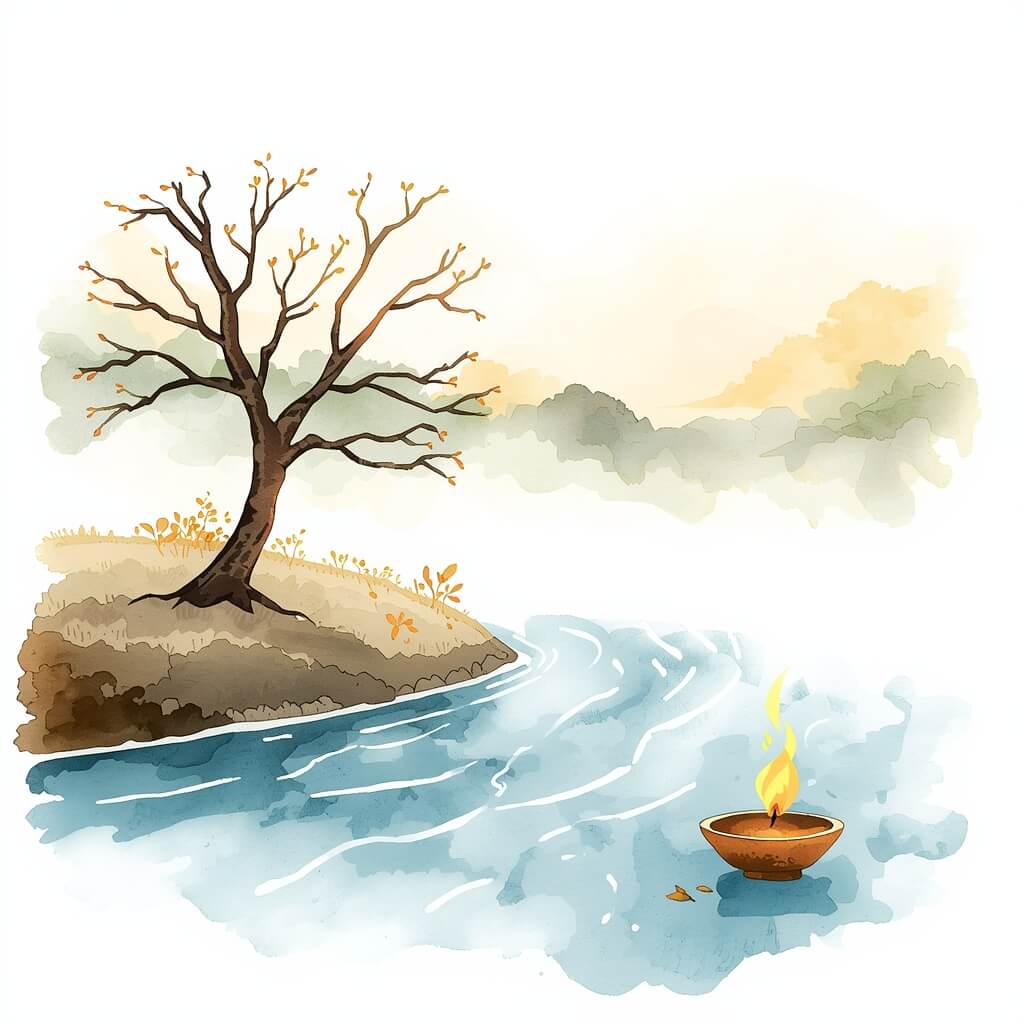
How attachment distorts care?
Firstly, attachment turns help into control. For example, you help a loved one. But you expect gratitude. When the result does not match expectation, irritation arises.
In particular, constant absorption of others’ emotions depletes resources. Scientific data show: helpers without boundaries suffer from chronic stress. For this reason, burnout is not a sign of weakness.
Ancient wisdom warned: «As you wish for yourself: “May I be happy, may I not suffer”, so do others wish for themselves. Therefore, comparing oneself with others, one should not cause harm». In other words, respect for oneself and for others is the foundation of care.
Meanwhile, the expectation of «fixing» another deprives both of freedom. On the contrary, true care does not require a report. Consequently, help becomes a partnership. Not a rescue operation.
«Help with conditions is a transaction. Help without conditions is freedom.»
How to develop sustainable compassion?
Finally, let us consider the practice. In particular, notice another’s pain. Do not turn away. But do not immerse yourself. The point is that distance preserves clarity.
In other words, boundaries are not a wall. They are a filter. For example, ask yourself: «What can I give without destroying myself?». Consequently, care becomes precise. It does not spread thin.
That is why wisdom in action guides care. In particular, wisdom asks: «What is truly needed?». Not «What do I want to give?». Thanks to this, help hits the target. It does not become intrusive.
Furthermore, release the expectation of «fixing». For example, help today. But accept that the other may not change tomorrow. At the same time, your worth does not depend on another’s progress.
Ancient wisdom taught: «Overcome anger by non-anger. Overcome evil by good. Overcome stinginess by generosity. Overcome falsehood by truth». Thus, compassion becomes strength. Not weakness.
«True care does not ask: “Will he get better?”. It says: “I am here. I see. I act wisely.”»
From burnout to resilience: a path without dogma
In conclusion, compassion without attachment is not coldness. It is maturity. In particular, it is the understanding: you cannot live another’s life. You can only support. Wisely. Calmly.
Scientific research confirms the distinction. Empathy activates pain centres in the brain. Compassion activates centres of care and resilience. Thus, the latter does not deplete. It nourishes.
Ancient wisdom offered a path of investigation: «When you yourself understand: “These qualities lead to harm and suffering”, then abandon them. When you yourself understand: “These qualities lead to well-being and happiness”, then develop them and abide in them».
That is why this practice transforms relationships. In particular, when you do not demand, others relax. They grow on their own. Consequently, compassion towards people becomes space. Not pressure.
«Compassion without attachment. Generosity without expectations. Wisdom without pride. This is the beginning of the Path to true freedom.»
Start small: one moment of help per day. The main thing is not the result. But clarity. And respect for yourself. And for the other.